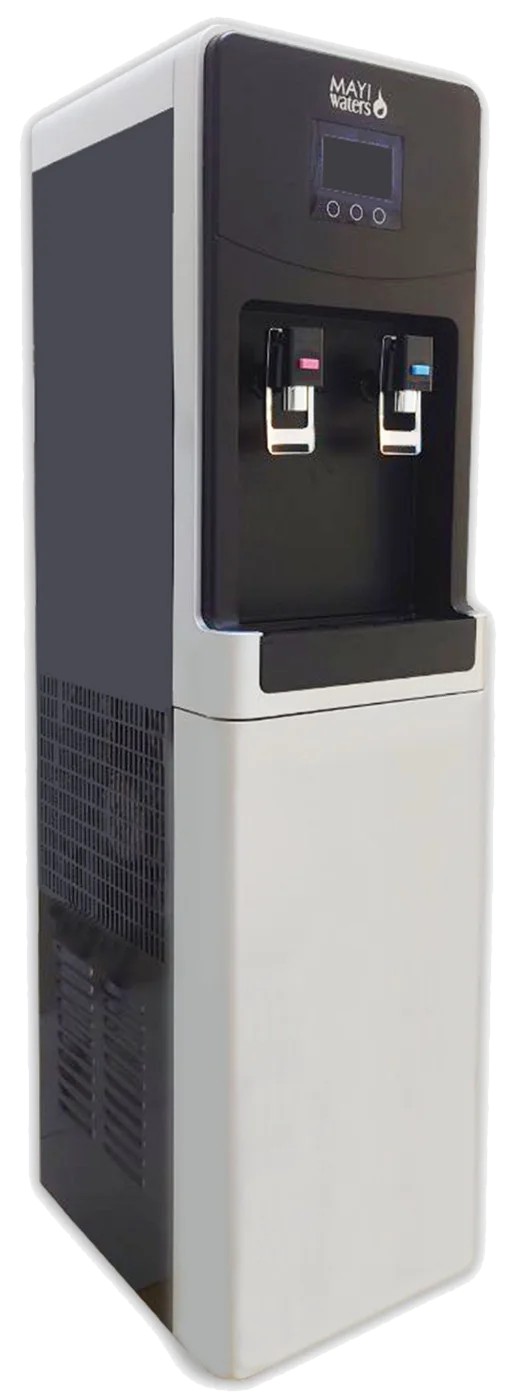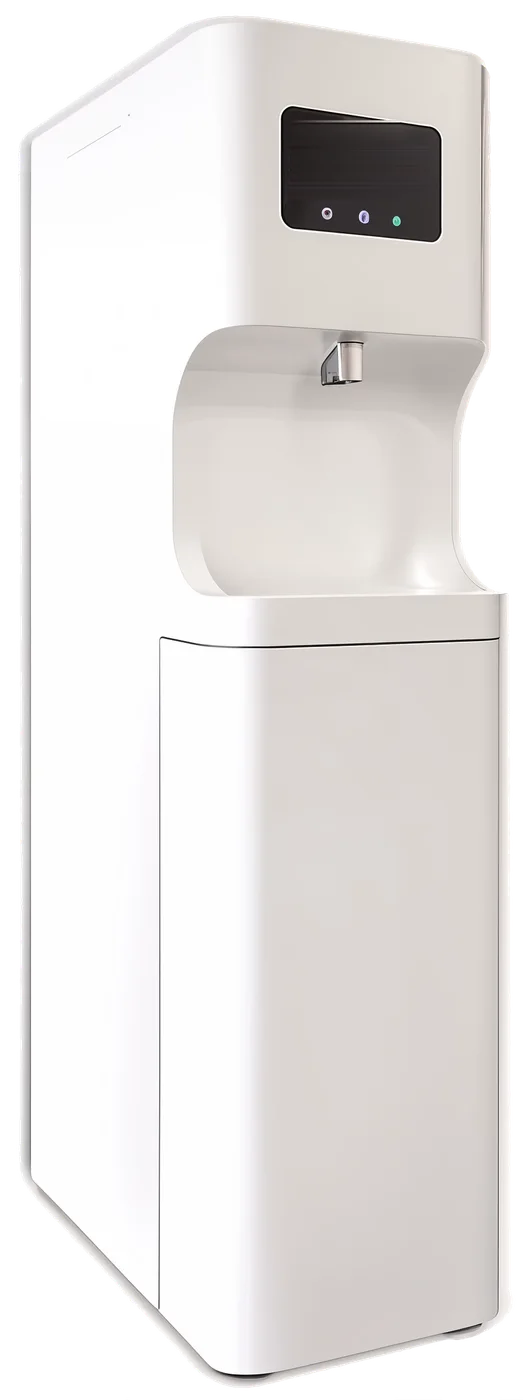
When we picture fresh water, we think of rivers, lakes and rain. But one of the largest stores of fresh water on Earth is invisible: the vapour in the air around us.
An ocean in the sky
At any moment, the atmosphere holds an estimated 3.1 quadrillion gallons of water, the planet’s second-largest reservoir after its rivers, seas and oceans. Almost none of it is used for drinking. Every morning, dew on the grass is a small reminder that it’s there.
Nature’s own purification
Water reaches the air by evaporating from seas, lakes, soil and plants. Evaporation is nature’s filter: salts, minerals and most impurities are left behind, and only water rises as vapour. That vapour then travels with the weather, and in a warm, humid place like Malaysia there’s a lot of it in the air most of the year.
Why not just collect dew?
Gathering droplets from leaves or windows isn’t practical, and it isn’t clean: dew picks up dust, pollen and whatever else is on the surface. To turn the air’s moisture into water that’s safe to drink, you need to condense it under controlled conditions and then purify it.
How a MAYI Waters generator does it
- Air in. A blower draws room air through an air filter that stops dust and fine particles.
- Condensation. A heat-exchange system cools the air below its dew point, so the vapour condenses into water.
- Purification. The water passes through six filtration stages, down to 0.01 microns, and UV light.
- Fresh, hot or cold. It’s stored in stainless-steel tanks, re-circulated at intervals to keep it fresh, and dispensed hot or cold.
No pipes, no bottles, no delivery truck. Just plug it in, and nature’s hidden source of pure water is in your kitchen.