Step outside early in the morning and you’ll find leaves and windows beaded with water, even when it hasn’t rained. That’s dew, and it’s one of nature’s quietest ways of making water.
How dew forms
Air always holds some water as invisible vapour. When the air touches a surface that’s cooler than its dew point, the vapour condenses into droplets, turning from gas back into liquid. Dew collects most at dawn, after surfaces have cooled overnight.
Why dew water is valued
For generations, people in many cultures have collected morning dew and prized it as especially fresh. Some of the qualities often associated with it:
- It starts clean. Water that evaporates leaves salts and minerals behind, so the vapour it condenses from begins very pure.
- It feels fresh and light. Many people describe dew water as tasting cleaner and softer than tap water.
- It’s renewable. The air is constantly replenished with moisture, especially in humid climates like Malaysia’s.
From the leaf to your glass
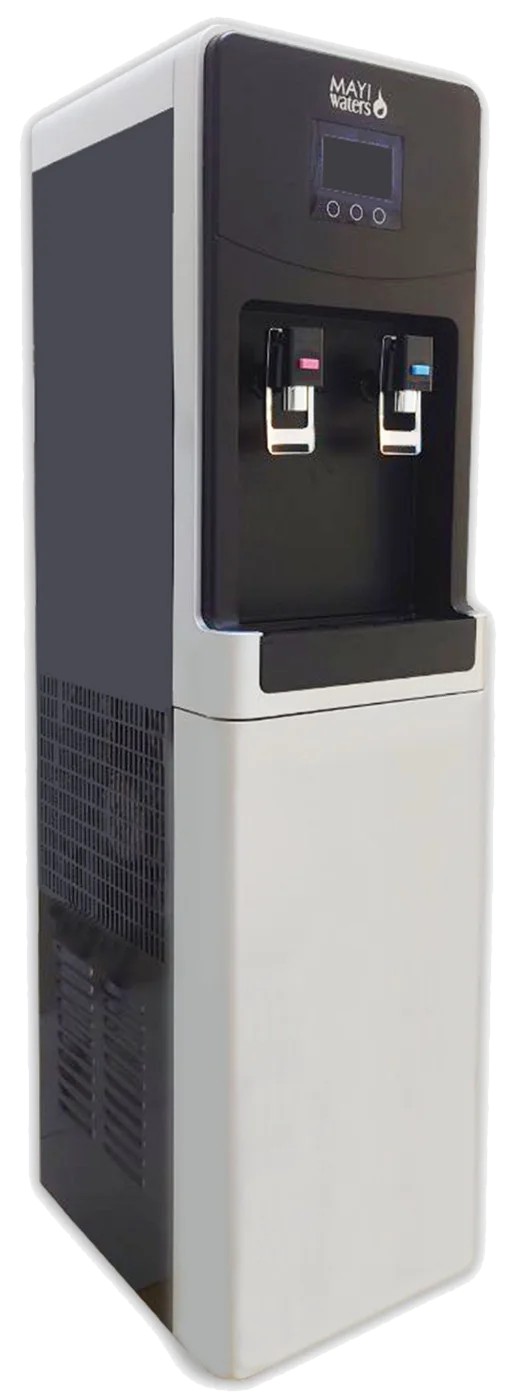
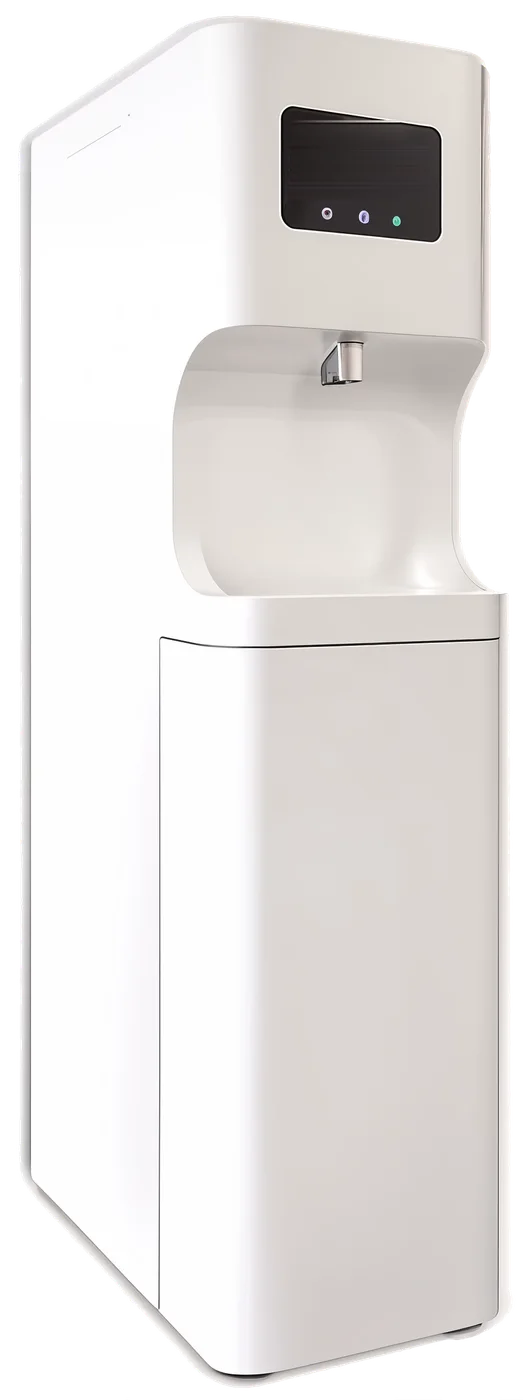
Collecting dew from leaves isn’t practical, or hygienic: the droplets pick up dust and whatever is on the surface. A MAYI Waters atmospheric water generator uses the same principle in a controlled way. It draws in air through a filter, cools it on a coil so the moisture condenses, then purifies the water in six stages with UV light before you drink it.
It’s the freshness of morning dew, available at the tap, any time of day.
This article is general information, not medical advice.